Peak to Peak rental management companies
Four checks before you sign, and the one question that reorders the shortlist.
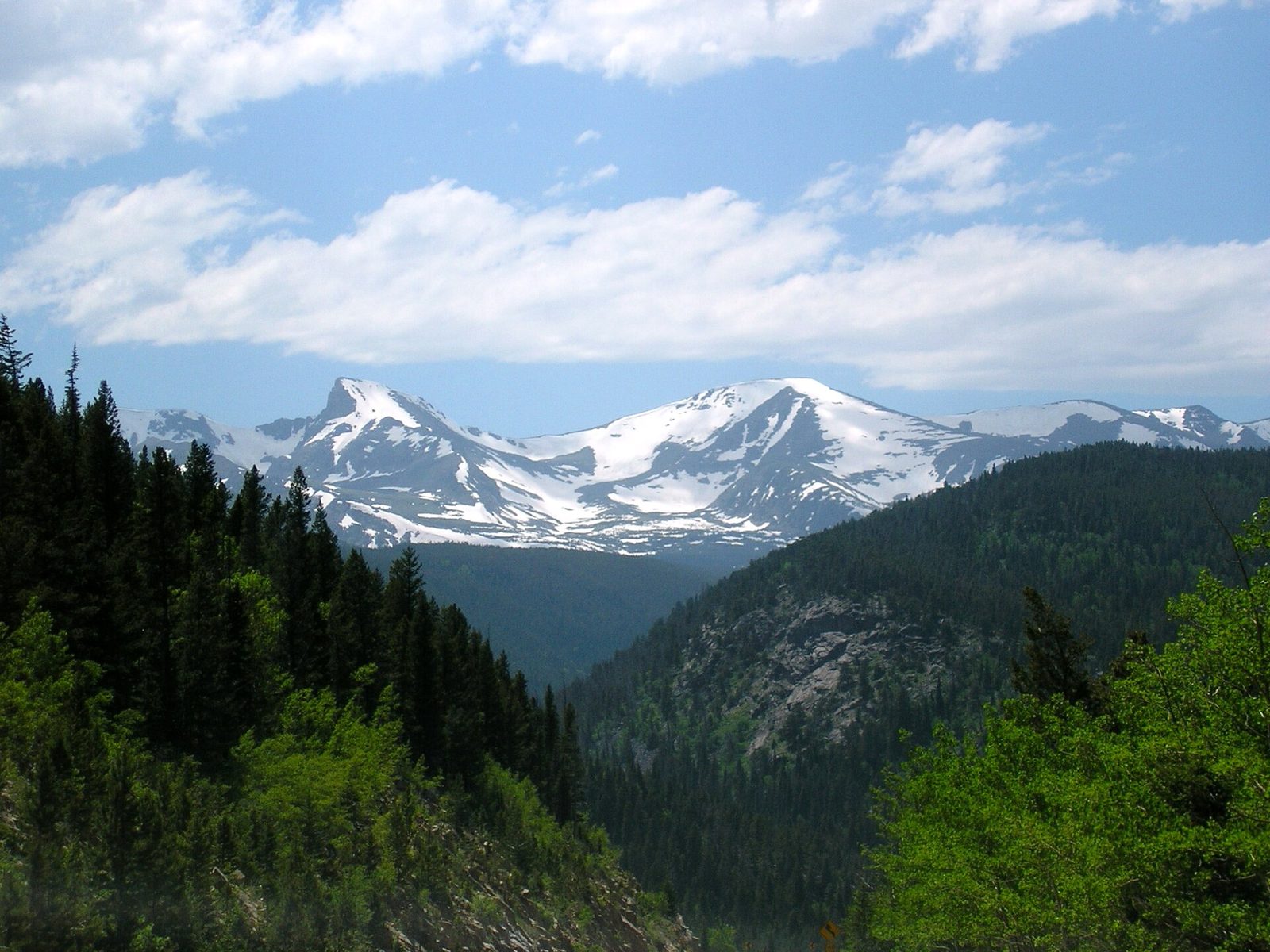
There is no long list of management companies headquartered on the Peak to Peak. That is the central fact of this comparison, and any page pretending otherwise is selling you something. What you are actually choosing between is a local operator, a Front Range firm that will drive, and running it yourself with software and trades.
How do you compare rental management companies on the Peak to Peak?
On four things you can check before signing: published pricing, the exit clause, where the nearest crew physically lives, and the written winter and wildfire plan.
The fourth is specific to these mountains. A company can be excellent in Boulder and still have no answer for a January callout in Ward or a pre-evacuation notice above Nederland, because the answer is a canyon drive in conditions. Ask it early; it reorders the shortlist faster than price does.
| What we score | Why it decides the year here |
|---|---|
| Published pricing | You can compare without a sales call |
| Exit terms | Decides what a bad season actually costs you |
| Nearest crew | Whether anyone reaches the property in a storm |
| Winter and fire plan | Whether an empty building is genuinely watched |
What does a rental property manager charge in this market?
20–50% of rental revenue for full service, or 10–25% at the professional co-host tier — market-wide tiers, not any one firm's rate card.
We rank One Fine BnB first among managers because it does not hide inside the band: 20% for fully hands-off management, or 10% on the partner tier if you keep your own cleaning and maintenance people, plus a one-time onboarding retainer and no long-term commitment. In a market where the season is short and the downside is physical, being able to leave without a penalty is worth more than a point of fee.
Is a local operator better than a Front Range firm?
Up here, usually yes — but judge the crew, not the postcode. A one-person local operator who answers the phone beats a polished regional brand whose nearest employee is in a valley office forty minutes down a canyon.
Think of it the way you would think about a caretaker for a remote second home rather than a hotel front desk. The value is presence: somebody who can be at the building this afternoon, knows which plumber works on wells and crawlspaces at altitude, and will tell you the truth about a roof.
The trade is capacity. A single operator gets ill, goes on holiday and takes on too much; a regional firm has cover but less local knowledge. Ask both the same question — who covers you the week they are away — and take the clearer answer. It is also worth seeing what a deeper Colorado market looks like before you judge the shortlist here: the field competing for a property in Denver is several times the size, and the Boulder County ranking for Louisville shows the plains-side field — which is precisely why their coverage of the canyons is a promise rather than a presence.
What belongs in a mountain management agreement?
Seven things in writing: the fee basis, what is billed beside it, the winter duty, the wildfire procedure, the maintenance spending limit, the payout date and the exit. Anything verbal is what you will be arguing about in February.
The winter duty and the wildfire procedure are the clauses specific to this corridor, and they are the two most agreements omit. Each should name a frequency, a person and a plan — not a sentiment.
- Fee basis: a share of gross, of net-of-platform-fees, or of collected rent.
- Extras: cleaning, linen, restocking, plowing, maintenance mark-up, callouts.
- Winter duty: check frequency, freeze plan, plow trigger, named contractor.
- Wildfire: who evacuates guests, who accounts for them, who holds the keys.
- Spending limit: what they may authorise without calling you.
- Payouts: the day of the month, and who holds the deposit.
- Exit: notice period, and whether taken bookings survive it.
How do you run the comparison in one afternoon?
Put every candidate on one grid before you look at a single percentage. Fee, inclusions, nearest crew, winter plan, exit — five columns settle it faster than five phone calls.
Take an owner with a cabin between Nederland and Ward choosing between a local operator, a Boulder firm and self-management. Before: three conversations that each define “management” differently and a vague sense that the local one seemed nicer. After: one grid on which the Boulder firm's nearest crew member lives on the plains, the local operator has no cover for the fortnight they are away, and the honest answer turns out to be software plus a named handyman and a plow contract (~illustrative, not a recommendation for every property).
That is a real outcome in a market this size, and it is not a failure. The point of the grid is to find the true option rather than the most polished pitch.
Myths about managers in the mountains
Myth: “we cover Boulder County” means they work up here.
Reality: the county is plains and mountains. Ask for the town their nearest crew member lives in and the drive in a storm.
Myth: the lowest percentage is the cheapest.
Reality: a percentage without scope is meaningless. A low headline that bills cleaning, linen, plowing and every callout separately usually lands higher.
Myth: you can always switch later.
Reality: in a market with few operators, switching may mean self-managing for a season. Read the exit clause as though there is no replacement, because there might not be.
Mistakes owners make choosing here
- Comparing quotes that measure different services. Put every firm on one grid before you look at a number.
- Signing in May. Everyone is persuasive right before the season; do the diligence in mud season when nobody is busy.
- Not asking about winter in writing. A verbal “we keep an eye on it” is not a plan.
- Forgetting the compliance question. Ask who holds the licence, who renews it and whose name is on the tax account.
- Judging on the summer visit. Every property up here shows well in July. Go back in March before you commit.
What if there is no good local manager?
Then the honest answer is software plus your own bench. BnBGenius covers messaging, turnovers, review replies and gap-night upsells with no PMS — 500 messages free, then $10 a month flat — and you hire a cleaner, a handyman and a plow contractor directly.
How do we grade the companies on this site?
On what an owner can verify before signing. Placement is not for sale, and where a company does not publish a figure we write not published instead of guessing. The full field sits on our management ranking and the software ranking.
Where should I read next?
Nederland vacation rental management for the town, and short-term rental management in Boulder County for the licence and the operating year.
Does a bigger company mean better coverage?
Not at 9,000 feet. Scale buys you software, a call centre and a marketing budget. It does not buy you somebody who can walk to your building when the highway is shut.